ICYMI: Tiny Brain Models Survive 5 Years in a Dish
- Published4 Sep 2026
- Author Bella Isaacs-Thomas
- Source BrainFacts/SfN
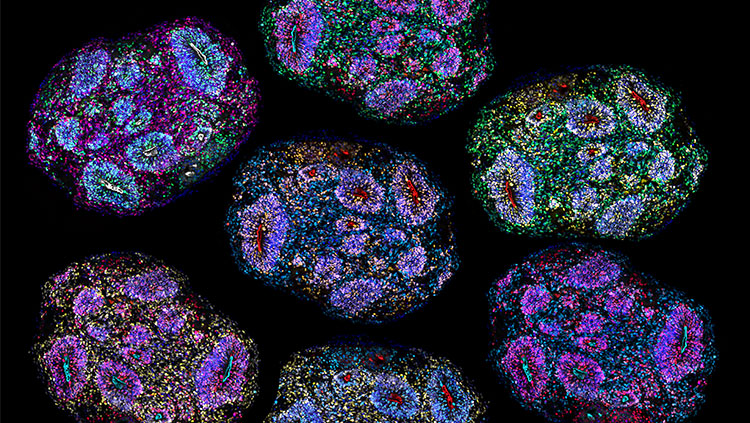
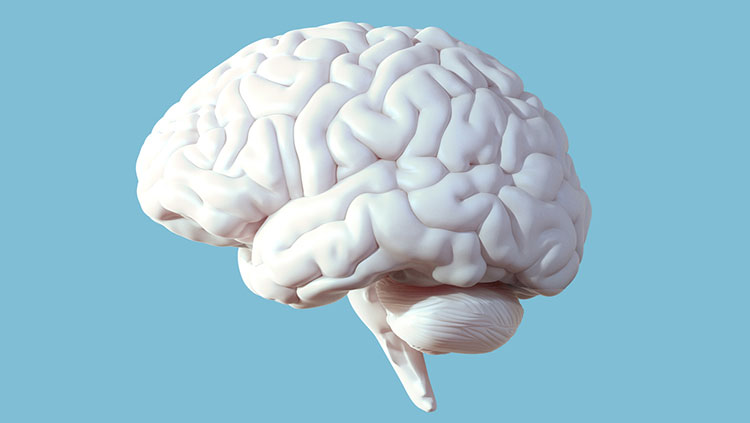
A group of Harvard researchers recently made history keeping brain organoids alive in their lab for more than five years — compared to the typical lifespan of a few months to around two years. What’s more, the organoids appeared to maintain an internal growth clock. The results of their work were published August 19 in the journal Nature.
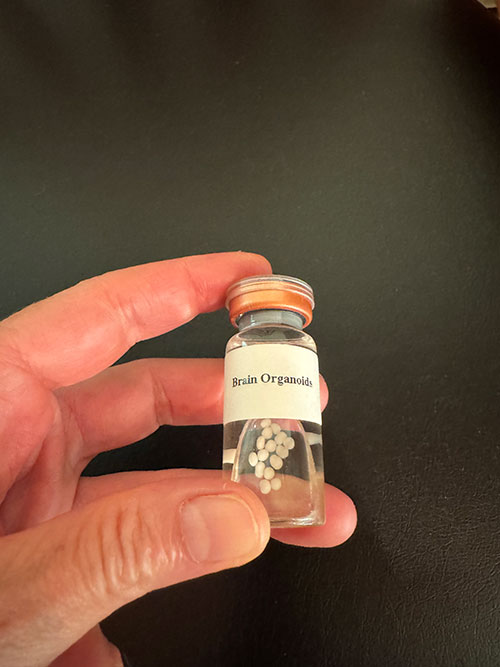
The team created these tiny model brains using donated blood cells, which they chemically transformed into stem cells, according to Harvard’s digital platform, The FAS Current. They coaxed those stem cells to develop into organoids composed of cerebral cortex cells, including neurons and astrocytes. These models mimicked the neural development timeline observed from just before birth through the earliest years of life.
Among their most notable discoveries: After mixing cells derived from organoids of different ages, both younger and older cells continued to develop according to their previous trajectories, suggesting the intermingling didn't affect their pre-programmed growth timeline. The finding sheds light on how cells may keep to growth schedules based on an internal clock, rather than solely on external influence.
Big Picture: Though considerably less complex than the real thing, experts say these models offer a crucial research tool for understanding the human brain. Organoids possess the DNA of the people who donate their cells to create them — as a result, their development can reflect a range of neurological conditions and disorders. In addition to offering insight into brain development timelines, the models could also be useful tools for assessing how well new therapeutics may work, as reported in STAT.
Read More: Brain organoids, kept alive more than five years, matured like human brains. STAT
More Top Stories
- Researchers created a first-ever map of the vagus nerve, extending from the brain stem to each major organ. Science
- Among people with depression, neurogenesis — the brain’s process of generating new neurons — may be thwarted. Nature
- A new study suggests people who avoid smoking tobacco and do not have high blood pressure or diabetes in midlife are more likely to maintain cognitive function for a greater portion of their lifetime. NBC News
- In a first, neurosurgeons in London performed a successful AI-assisted surgery to remove a patient’s brain tumor. The Guardian
- At least 1 in 4 people who play football in the NFL may ultimately develop chronic traumatic encephalopathy (CTE), a fatal brain condition only diagnosed after death. The New York Times
- Brain scans suggest dogs may be able to differentiate between happy versus negative human emotions by looking at facial expressions. CNN
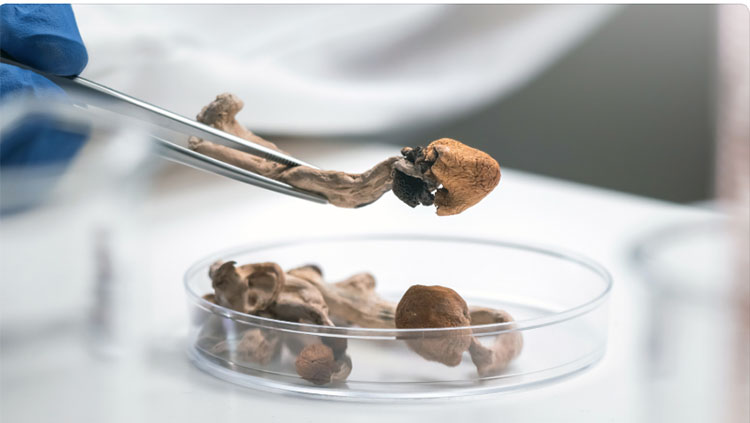
- The psychedelic drug psilocybin may synchronize brain activity in a way which makes people who take it feel deeply interconnected to the world. Scientific American
- New research suggests a specific brain circuit is responsible for linking real-time decision making with recently experienced sensory input. MIT Technology Review
- Eating too much sugar within roughly the first three years of life may contribute to an increased risk of developing Alzheimer’s down the road. Science News
About the Author
.jpg)
Bella is the Staff Writer and Editor for BrainFacts. She previously worked as a digital science reporter at PBS NewsHour, where she was named a fellow in the 2022-2023 class of the National Science-Health-Environment Reporting Fellowships (SHERF) and earned a 2021 D.C. Science Writers Association Newsbrief Award for writing. She graduated from the University of Michigan with a bachelor's degree in 2018.
CONTENT PROVIDED BY
BrainFacts/SfN